
|
||||||||||||||||||||||||||||||||||||||||||||||||||||
|
Advice for campaigns
At the end of the last session on Friday they asked the people in the audience to raise their hands with ideas for the campaigns. I had my hand up, but they didn't call on me. Had they, this is what I would have suggested.
 Take the money you raise and instead of spending it all on advertising, spend some of it on stuff that helps people now.
Spend 1/4 of the money on political advertising. The usual stuff, attack ads, issue ads, whatever. It's all a waste, but you have to waste some money to persuade the press your campaign is serious. Try to run your ads in media the press follows.
Spend 1/2 of the money on a social program that people care about. Buy health insurance for 50,000 poor people in Mississipi. Install free wifi in one American city for a few years. In 2004, I recommended to Dean that he set up permanent blogging infrastructure because at the time setting up a blog was too hard and unreliable. Now that's no longer a problem.
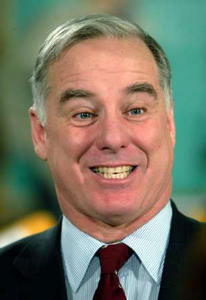 Spend 1/4 of the money telling everyone how you're using 1/2 of the money to help people. This proves that your Presidency will be about solving problems, because you're not waiting to get elected to solve problems. (I predict this will raise you even more money, for you to spend on helping people, and the idea is so fresh, it might actually help you get elected, but even if it doesn't you'll have the satisfaction of knowing that you not only helped people in a real way, but you also helped people feel positive about politics. I think net-net this is why a lot of people got behind Dean, something that Dean himself never really appreciated. They wanted to do something powerful to help their country. Politicians tend to be cynical, so they don't get that many people are not inherently cynical.) Spend 1/4 of the money telling everyone how you're using 1/2 of the money to help people. This proves that your Presidency will be about solving problems, because you're not waiting to get elected to solve problems. (I predict this will raise you even more money, for you to spend on helping people, and the idea is so fresh, it might actually help you get elected, but even if it doesn't you'll have the satisfaction of knowing that you not only helped people in a real way, but you also helped people feel positive about politics. I think net-net this is why a lot of people got behind Dean, something that Dean himself never really appreciated. They wanted to do something powerful to help their country. Politicians tend to be cynical, so they don't get that many people are not inherently cynical.) |
Last update: Thursday, June 3, 2010; 4:00:48 PM
Mail:
|
|||||||||||||||||||||||||||||||||||||||||||||||||||
|
© Copyright 1997-2010 Dave Winer. Last build: 6/3/10; 10:32:02 PM. "It's even worse than it appears." Previous / Next |
||||||||||||||||||||||||||||||||||||||||||||||||||||

 scriptingnews1mail at gmail dot com.