
|
|||||||||||||||||||||||||||||||||||||||||||||||||||||||||||
|
Opportunities for integration
 When everything gets an API then everything you can imagine will be possible if you can write a script. When everything gets an API then everything you can imagine will be possible if you can write a script.  And sometimes, to give you an idea, all that has to happen is that a wall come down. The latest, most intriguing such wall was the paywall at the NY Times. Now all of a sudden we find the wealth of information published by the NY Times over many decades is available without tariff. More important, we can point into the archive. We've gotten so accustomed to the wall, that you actually have to think when it may be possible to go in there, as if it left behind a wall in our minds, even after the wall on the web is gone.
For example, the first episode of Ken Burns's The War, an epic series about World War II from the American perspective, cited several NY Times articles. If you looked carefully you could see the dates, and the actual headlines, and then if you have a browser handy, as I do (I have an iPhone) you can actually read the article while the narrative continues. Today this is mostly a gimick, but I suspect as we get used to having history so available (like having a library microfilm machine, which I used to spend whole days playing with when I was a kid) it will change our sense of information, perhaps as much as anything else that's ever been on the web.
Take movie reviews for example. What a thrill to be able to read a review of a movie that I love that came out in 1932! The reviewers back then were more forgiving, less sarcastic, more enthusiastic. Consider their review of the Hollywood Revue of 1929, a favorite of mine that I've only seen once (I'd pay for a DVD, if it were available). They loved audible movies (that's what they called them) as if the term "talkie" was as elusive as "podcast" was in the summer of 2004. Again, we've just scratched the surface.
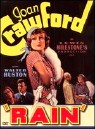 Wouldn't you like to have NY Times movie reviews integrated with Netflix? Or have Yahoo's movie rating service available on the NY Times site. And I have to wonder whether they really have gone all the way. You can't see the reviews unless you're logged in. Can Google's robots, therefore, see the movie reviews? Unless the've made some special arrangements, it seems not. Wouldn't you like to have NY Times movie reviews integrated with Netflix? Or have Yahoo's movie rating service available on the NY Times site. And I have to wonder whether they really have gone all the way. You can't see the reviews unless you're logged in. Can Google's robots, therefore, see the movie reviews? Unless the've made some special arrangements, it seems not. There is already empirical evidence. Try searching for a review of a popular movie from the past, and see if the Times review shows up. Some examples: The Sting. The Godfather. Casablanca. Field of Dreams.
It would be helpful to get a technical guide to the newly hatched NY Times on the Web, or (as in the old days of software) a reviewer's guide, so we get some ideas of what to look at. Clearly a lot of work went into opening up the Times archive. I'm going to be in NY the week of October 8 and will have some time toward the end of the week. If anyone at the Times would be willing to spend some time with me reviewing what's now open, that would be helpful.
In any case, at least the Times today is somewhat more available to be integrated into the fabric of the web. That's some progress. How much, remains to be seen.
Postscript: Kottke did a great job of skimming the surface of the newly opened Times when it first came online, just one week ago today.
|
Last update: Thursday, June 3, 2010; 4:01:38 PM
Mail:
|
||||||||||||||||||||||||||||||||||||||||||||||||||||||||||
|
© Copyright 1997-2010 Dave Winer. Last build: 6/4/10; 7:36:35 AM. "It's even worse than it appears." Previous / Next |
|||||||||||||||||||||||||||||||||||||||||||||||||||||||||||

 scriptingnews1mail at gmail dot com.